
What Exactly is LSCS? Let’s Decode the Medical Jargon
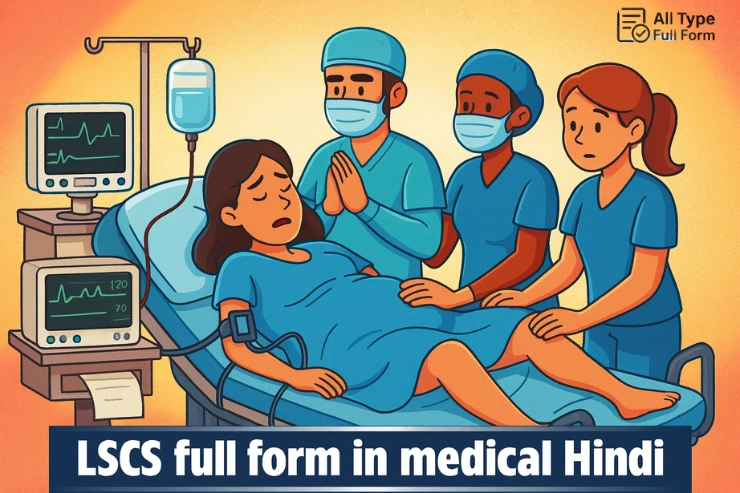
So, what’s the LSCS full form? It stands for Lower Segment Caesarean Section—essentially, it’s the medical term for a C-section delivery performed through the lower part of the uterus. In Hindi, the LSCS full form in medical Hindi translates to “निचला खंड सिजेरियन सेक्शन” (Nichla Khand Cesarean Section).
Think of it as a surgical alternative route for bringing your baby into the world when vaginal delivery isn’t the safest option. Instead of your baby taking the natural exit, the doctor creates a temporary doorway through your abdomen and uterus.
Quick Stats:
| Aspect | Details |
|---|---|
| Procedure Duration | 45-60 minutes on average |
| Hospital Stay | 3-4 days typically |
| Recovery Time | 6-8 weeks for complete healing |
| Global C-Section Rate | Approximately 21% of all births |
| India’s C-Section Rate | Around 18.5% (WHO data) |
| Success Rate | Over 95% when medically indicated |
| Repeat LSCS Possibility | Up to 3-4 times safely |
Why Do Doctors Recommend LSCS? The Inside Scoop
Understanding the LSCS full form in medical terminology is one thing, but knowing why it happens is equally important. Let’s explore the common scenarios:
Emergency Situations
Sometimes, life throws curveballs. Your doctor might recommend an emergency LSCS delivery if:
- Your baby’s heart rate drops dangerously low
- The umbilical cord slips through the cervix (cord prolapse)
- Your placenta suddenly detaches (placental abruption)
- Labor isn’t progressing despite hours of trying
Planned or Elective LSCS
An elective LSCS is scheduled in advance. The elective LSCS full form remains the same, but it’s performed by choice rather than emergency. Reasons include:
- Your baby is in breech position (feet or bottom first)
- You’re carrying multiples (twins, triplets, or more)
- You have placenta previa (placenta blocking the birth canal)
- You’ve had a previous C-section (previous LSCS)
- Medical conditions like severe preeclampsia
Expert Insight: Dr. Anjali Mehta, Senior Gynecologist with 18 years of experience, notes: “The decision for LSCS should always be evidence-based. While maternal choice is respected, we ensure patients understand both the benefits and risks. The goal is always the safest delivery for mother and baby.”
LSCS vs. Traditional C-Section: What’s the Difference?
Here’s where it gets interesting! When we talk about LSCS full form in gynecology, we’re referring to a specific type of cesarean section. Let me break it down:
Lower Segment Caesarean Section (LSCS): The incision is made in the lower, thinner part of the uterus. This area has fewer blood vessels, heals better, and allows for potential vaginal births in future pregnancies (VBAC – Vaginal Birth After Cesarean).
Classical C-Section: The incision goes through the upper part of the uterus. This approach is rarely used today except in extreme emergencies or specific medical situations.
The LSCS definition specifically emphasizes the “lower segment” approach because it’s safer, has fewer complications, and offers better outcomes for future pregnancies.
The LSCS Procedure: A Step-by-Step Journey
Curious about what actually happens during LSCS surgery? Let’s walk through the LSCS procedure steps:
Before the Surgery
- Preparation: You’ll change into a hospital gown, and an IV line will be inserted
- Anesthesia: Usually spinal or epidural (you’re awake but numb from chest down)
- Catheter Insertion: A urinary catheter is placed to keep your bladder empty
- Monitoring: Your vitals are continuously monitored
During the Procedure
The LSCS instrument name list includes scalpels, retractors, forceps, suction devices, and surgical clamps. Here’s the process:
- Incision Time: Two incisions are made—one through your abdomen and one through the lower uterine segment
- Baby’s Grand Entrance: Your doctor gently delivers your baby (usually within 10-15 minutes of starting)
- Placenta Removal: The placenta is delivered
- Stitching Up: Both incisions are carefully closed in layers (takes about 30-40 minutes)
After the Surgery
You’ll be moved to recovery, where nurses monitor you closely. Most moms get to hold their babies within minutes!
Understanding Medical Coding: The LSCS ICD 10 Story
For the detail-oriented folks (and medical billing enthusiasts), let’s talk codes! The LSCS ICD 10 code is crucial for medical records and insurance claims.
The ICD 10 code for LSCS varies based on specific circumstances:
- O82: Delivery by cesarean section
- O34.21: Previous cesarean delivery (for the previous LSCS ICD 10 coding)
- O75.82: Onset of labor after 37 completed weeks of gestation but before 39 completed weeks, with delivery by cesarean section
Why does this matter to you? These codes determine insurance coverage, help track surgical outcomes, and maintain accurate medical histories.
LSCS in Pregnancy: What to Expect
When you hear about LSCS full form in pregnancy discussions, doctors are referring to the possibility of cesarean delivery during your pregnancy journey. Here’s what you should know:
First LSCS
If this is your first C-section, you might experience:
- Nervousness (totally normal!)
- Questions about recovery
- Concerns about bonding with baby
- Worries about the scar
Good news: Modern surgical techniques have advanced tremendously. The LSCS meaning has evolved from a risky last resort to a safe, routine procedure when medically necessary.
After Previous LSCS
Had a previous cesarean? The term “FT LSCS full form” stands for “Full Term Lower Segment Caesarean Section,” indicating a C-section performed at full term. Your doctor will discuss:
- VBAC possibility (vaginal birth after cesarean)
- Repeat LSCS planning
- Scar tissue evaluation
- Optimal timing for delivery
According to the American College of Obstetricians and Gynecologists (ACOG), 60-80% of appropriate candidates can successfully have a vaginal birth after one previous cesarean delivery.
The Recovery Road: Life After LSCS
Let’s get real about recovery—because that’s what you really want to know about when learning the LSCS full form in medical contexts!
First Week: The Tough Phase
- Pain Management: You’ll receive medications (both in hospital and at home)
- Movement Matters: Despite discomfort, gentle walking helps prevent blood clots
- Feeding Positions: You’ll learn comfortable breastfeeding positions that don’t pressure your incision
- Emotional Rollercoaster: Hormones plus surgery recovery can be intense
Weeks 2-6: Finding Your Rhythm
- Gradual increase in activity
- Incision care and monitoring
- Managing fatigue
- Building strength
Long-Term Considerations
- Scar care (silicone sheets can help minimize scarring)
- Abdominal muscle rehabilitation
- Planning future pregnancies
- Emotional processing of birth experience
Expert Insight: Physiotherapist Ritu Sharma specializing in postpartum recovery advises: “Women recovering from LSCS should focus on gentle core reconnection exercises after 6 weeks clearance from their doctor. Rushing back to intense exercise can compromise healing and increase diastasis recti risk.”
Breaking the Myths: LSCS Edition
Let’s bust some common misconceptions about LSCS medical abbreviation:
Myth #1: “C-sections are the easy way out.” Reality: LSCS is major abdominal surgery requiring significant recovery time!
Myth #2: “Once a C-section, always a C-section.” Reality: Many women successfully have vaginal births after cesarean (VBAC).
Myth #3: “LSCS babies are less healthy.” Reality: When medically indicated, LSCS delivers healthy babies safely.
Myth #4: “You can’t breastfeed after LSCS.” Reality: Breastfeeding is absolutely possible; you just need proper positioning support initially.
For comprehensive information on cesarean delivery, you can visit the World Health Organization’s guidelines on safe childbirth practices.
LSCS Around India: Regional Insights
Understanding LSCS ka full form is universal, but C-section rates vary across India:
- Metropolitan cities: Higher rates (25-35%) due to better medical facilities
- Rural areas: Lower rates (10-15%) with limited access to surgical facilities
- Private hospitals: Higher elective LSCS rates
- Government facilities: More emergency LSCS procedures
This disparity highlights the importance of accessible quality maternal healthcare across all regions.
Your Rights and Choices: Empowered Birth Decisions
When discussing LSCS full form medical gynecology with your doctor, remember you have rights:
- Right to Information: Ask questions about why LSCS is recommended
- Right to Second Opinion: Seek another doctor’s perspective
- Right to Birth Preferences: Discuss options like immediate skin-to-skin contact, delayed cord clamping
- Right to Support: Have your birth partner present when possible
Making informed decisions about LSCS delivery means understanding both benefits and risks while trusting your medical team.
Disclaimer
This article is intended for informational and educational purposes only. It does not constitute medical advice and should not replace consultation with qualified healthcare professionals. Always consult your doctor or gynecologist for personalized medical guidance regarding pregnancy, delivery options, and surgical procedures.
Conclusion:
We’ve journeyed through everything from the basic LSCS full form in medical Hindi to the intricate details of procedure, recovery, and empowerment. Whether you’re planning an elective LSCS, facing an emergency situation, or simply educating yourself for the future, understanding these medical terms removes the mystery and anxiety.
Remember, there’s no “better” or “worse” way to bring your baby into this world—there’s only the safest way for YOUR unique situation. The LSCS meaning transcends medical terminology; it represents one of many paths to motherhood, each equally valid and beautiful. Discover everything you need to know in our complete BNYS Full Form guide.
Frequently Asked Questions
Q1: What is the full form of LSCS in medical terms?
A: The LSCS full form is Lower Segment Caesarean Section—a surgical delivery method where an incision is made in the lower part of the uterus to deliver the baby.
Q2: How is LSCS different from a regular C-section?
A: LSCS full form in medical gynecology specifically refers to C-sections performed through the lower uterine segment. This is the most common type of cesarean delivery, offering better healing and allowing for possible vaginal deliveries in future pregnancies.
Q3: How long does LSCS recovery take?
A: Initial recovery takes about 6-8 weeks, though you’ll feel progressively better each week. Complete healing of internal tissues may take several months.
Q4: Can I have a normal delivery after LSCS?
A: Yes! Many women successfully have VBAC (Vaginal Birth After Cesarean) after one previous LSCS. Discuss your eligibility with your gynecologist.
Q5: What does LSCS mean in Hindi?
A: The LSCS full form in medical Hindi translates to “निचला खंड सिजेरियन सेक्शन” (Nichla Khand Cesarean Section).