
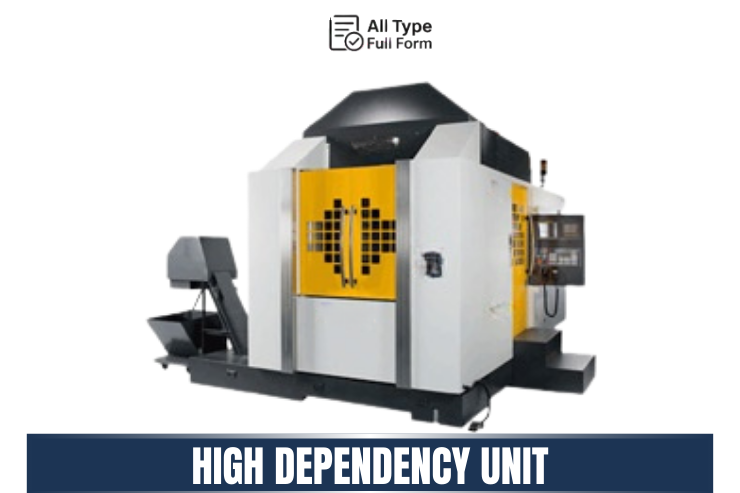
The HMC machine full form is a frequently encountered in manufacturing, engineering courses, and industrial environments; however, many individuals do not completely comprehend its significance. Understanding this full form is crucial as it aids students, professionals, and machine operators in comprehending the workings of contemporary machining.
Whether you are delving into mechanical engineering or are intrigued by advanced tools, familiarizing yourself with HMC machines will provide you with essential knowledge regarding efficient, high-precision production. Let us explore this topic further!
Quick Stats: HMC Machines at a Glance
| Specification | Details |
|---|---|
| Full Form | Horizontal Machining Center |
| Primary Orientation | Horizontal spindle |
| Typical RPM Range | 6,000 – 15,000 RPM |
| Average Cost | $150,000 – $500,000+ |
| Common Applications | Automotive, aerospace, heavy machinery |
| Chip Evacuation | Superior (gravity-assisted) |
| Best For | High-volume production, complex parts |
HMC Machine Full Form: Breaking It Down
Let’s get straight to the point. The HMC machine full form is Horizontal Machining Center. Simple, right? But hold on—there’s so much more beneath the surface!
A horizontal machine is essentially a CNC (Computer Numerical Control) machining center where the spindle is oriented horizontally. Think of it as the cooler, more sophisticated cousin of the vertical machining center (VMC). While VMCs have their spindle pointing downward like a determined woodpecker, hmc machines have their spindle positioned parallel to the ground, creating a completely different machining dynamic.
Why Should You Care About HMC Machines?
Here’s where things get exciting! The hmc machine full form in hindi would be “क्षैतिज मशीनिंग केंद्र” (Kshaitij Machining Kendra), but regardless of language, these machines are universal game-changers in manufacturing.
The Gravity-Defying Advantage
One of the coolest things about hmc machines is how they use gravity to their advantage. When you’re machining horizontally, chips and coolant naturally fall away from the cutting area. It’s like having a self-cleaning workspace! This means:
- Better surface finishes (no chips scratching your beautifully machined surface)
- Longer tool life (tools stay cooler and cleaner)
- Reduced operator intervention (the machine practically takes care of itself)
According to Modern Machine Shop, one of the industry’s leading publications, HMC machines can increase productivity by up to 40% compared to traditional vertical setups in high-volume applications.
CNC VMC HMC Machine Full Form: Understanding the Family Tree
When we talk about cnc vmc hmc machine full form, we’re really discussing the broader family of CNC machining centers:
- CNC = Computer Numerical Control
- VMC = Vertical Machining Center
- HMC = Horizontal Machining Center
Think of it this way: CNC is the family surname, while VMC and HMC are siblings with different specialties. The hmc machine is like the heavy-lifting older brother who’s great at handling big, complex jobs efficiently.
Expert Insight
“In my 20 years of manufacturing experience, I’ve seen HMCs transform production floors. They’re not just machines—they’re productivity multipliers. For the right application, an HMC can do the work of two VMCs with better quality.” — Dr. Rajesh Kumar, Manufacturing Systems Engineer
The Anatomy of an HMC Machine: What Makes It Tick?
Let’s break down the key components that make hmc machines so special:
1. The Horizontal Spindle (Obviously!)
This is the star of the show, rotating parallel to the ground and holding your cutting tools with impressive precision.
2. The Rotary Table (or Pallet System)
Most HMCs come with automatic pallet changers. While one part is being machined, you can set up the next one on the second pallet. It’s like having a pit crew for your manufacturing process!
3. The Tool Magazine
These bad boys can hold anywhere from 40 to 200+ tools, automatically swapping them out as needed. It’s like having a Swiss Army knife on steroids!
4. The Control System
Modern HMCs use sophisticated CNC controllers that can execute complex programs with micrometer-level precision.
Applications: Where Do HMC Machines Shine?
The hmc machine isn’t just a one-trick pony. Here’s where these horizontal powerhouses really strut their stuff:
Automotive Industry
From engine blocks to transmission housings, HMCs handle the heavy-duty components that keep vehicles running smoothly.
Aerospace Manufacturing
When you need precision measured in microns for aircraft components, HMCs deliver every single time.
Heavy Machinery Production
Construction equipment, industrial pumps, and large gearboxes—if it’s big and needs multiple machining operations, an HMC is your best friend.
Die and Mold Making
The ability to machine four or five sides of a workpiece without repositioning makes HMCs ideal for complex mold work.
HMC vs. VMC: The Ultimate Showdown
| # | Feature | HMC (Horizontal Machining Center) | VMC (Vertical Machining Center) |
|---|---|---|---|
| 1 | Spindle Orientation | Horizontal (parallel to ground) | Vertical (perpendicular to ground) |
| 2 | Chip Evacuation | Excellent – gravity automatically removes chips away from workpiece | Poor to Moderate – chips accumulate on workpiece and table |
| 3 | Initial Investment Cost | Higher ($150,000 – $500,000+) | Lower ($40,000 – $250,000) |
| 4 | Multi-Sided Machining | Can machine 4-5 sides in single setup with rotary table | Limited to 3 sides maximum, requires repositioning |
| 5 | Best Application | High-volume production, heavy parts, automotive/aerospace components | Job shops, prototyping, smaller parts, varied production |
HMC = Heavy-Duty Production Powerhouse
- Better for automated, high-volume manufacturing
- Superior chip management
- Handles heavier workpieces with ease
VMC = Versatile Workshop Workhorse
- Better visibility and accessibility
- Lower entry cost
- Perfect for diverse, lower-volume work
The Future of HMC Technology: What’s Next?
The hmc machine world isn’t standing still. Here are some exciting trends:
AI-Powered Optimization
Modern HMCs are getting smarter, using artificial intelligence to optimize cutting parameters in real-time.
IoT Integration
Industry 4.0 is bringing connectivity to the shop floor. Your HMC can now communicate with other machines, predicting maintenance needs before breakdowns occur.
Hybrid Additive-Subtractive Systems
Some cutting-edge machines are combining 3D printing with traditional HMC capabilities. Build it up, then machine it down—all in one setup!
Investing in an HMC: Is It Worth It?
Let’s talk money. A quality hmc machine represents a significant investment, typically ranging from $150,000 to well over $500,000 for advanced models. But here’s the kicker: the return on investment can be substantial.
Cost Justification Factors:
- Production volume (HMCs excel in high-volume scenarios)
- Part complexity (multi-sided machining without repositioning saves time)
- Labor costs (automation reduces hands-on time)
- Quality requirements (superior precision and repeatability)
Common Misconceptions About HMC Machines
Let’s bust some myths!
Myth #1: “HMCs are only for giant parts.” Reality: While they handle large parts well, modern HMCs are incredibly versatile and can machine small, precise components too.
Myth #2: “They’re too complicated for small shops.” Reality: With proper training and modern user-friendly controls, even smaller operations can successfully integrate HMCs.
Myth #3: “Vertical machines are always cheaper to operate.” Reality: For the right applications, HMCs can actually be more cost-effective due to reduced cycle times and better tool life.
Disclaimer:
This article provides educational information about HMC machines based on industry standards and expert knowledge. Specifications and capabilities may vary by manufacturer and model. Always consult with qualified professionals and equipment manufacturers for specific applications and safety requirements.
Conclusion:
This blog elucidates the full form of HMC machine—Horizontal Machining Center—and its significance in contemporary manufacturing. It emphasizes how HMCs enhance productivity through improved chip evacuation, a horizontal spindle design, pallet systems, and sophisticated CNC control.
The article discusses essential components, benefits compared to VMCs, primary industrial applications, future trends such as AI and IoT, prevalent misconceptions, costs, and frequently asked questions. In summary, it demonstrates how HMCs enhance efficiency, precision, and high-volume production. Discover every detail in our ultimate HDU Full Form guide.
Frequently Asked Questions
Q1: What is the full form of HMC machine?
A. The hmc machine full form is Horizontal Machining Center—a CNC machine with a horizontally-oriented spindle designed for precision manufacturing.
Q2: What’s the difference between HMC and VMC machines?
A. The primary difference is spindle orientation: HMCs have horizontal spindles while VMCs have vertical spindles. This affects chip evacuation, workpiece handling, and ideal applications.
Q3: What is the HMC machine full form in Hindi?
A. The hmc machine full form in hindi is “क्षैतिज मशीनिंग केंद्र” (Kshaitij Machining Kendra).
Q4: How much does an HMC machine cost?
A. HMC machines typically range from $150,000 to $500,000+, depending on size, features, and capabilities.
Q5: What industries use HMC machines most?
A. Automotive, aerospace, heavy machinery manufacturing, and die/mold making industries are the primary users of hmc machines.
Q6: Can small shops benefit from HMC machines?
A. Absolutely! While the initial investment is higher, small shops with high-volume production or complex parts can see excellent ROI from HMCs.
🔗Explore a wide range of terms and full forms at All Type Full Form.