
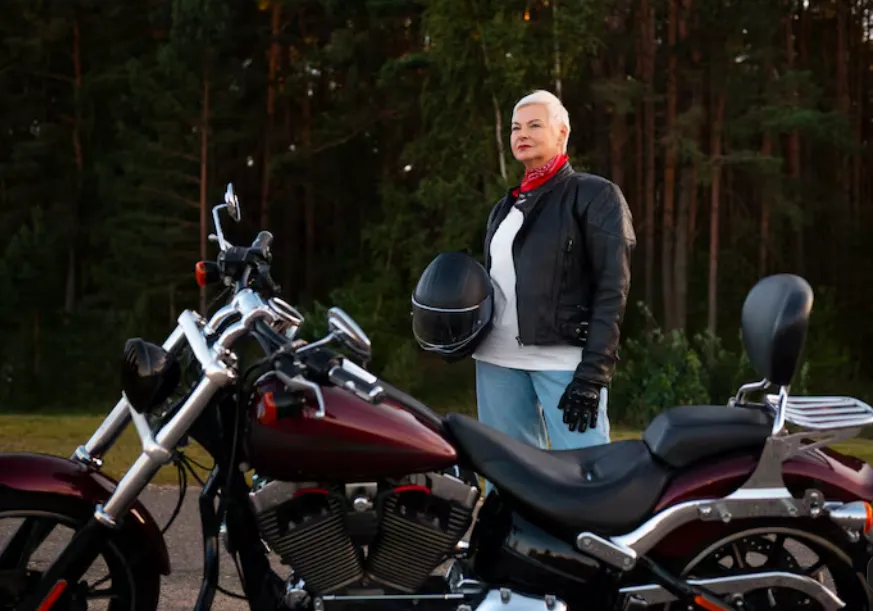
Two riders can start on the same bike and end up with very different tourers. One bolts on everything in sight and regrets the weight. The other adds a few well-chosen pieces and rides happily for years. Smart motorcycle accessories Singapore shoppers learn early that a premium setup is built in layers, not bought in a rush.
This guide shows how to plan that build. We cover touring style, a core kit, mixing protection with luggage, controls, shakedown rides, and long term care. Brand names matter less than fit and purpose. Think of it as a slow, steady project, not a shopping spree.
Defining Your Touring Style
Start with honesty about how you ride. Weekend loops, multi day trips, and rough trails all ask for different gear. A rider crossing borders on tarmac needs less armour than someone chasing gravel roads in the hills.
Write down your last three trips. Note what annoyed you. Sore wrists, wet bags, and bad phone signals tell you where to spend. Riders researching sw motech Malaysia options often find that this simple list narrows the shopping from fifty items to five. Clarity saves money.
Building a Core Kit First
A core kit covers the basics. Think a sturdy rack, a reliable luggage system, and one protection part. Everything else can wait. Starting small lets you learn how the bike behaves with real changes.
Pick parts that work together. Matching mounts, compatible bags, and shared fitting systems reduce headaches. Avoid buying odd pieces from five different places, hoping they will cooperate. A coherent kit looks tidy and fits better. It is also easier to expand later, one sensible step at a time.
Mixing Protection With Carrying Gear
Protection and luggage affect each other. Crash bars, for example, may change how side cases mount. Racks can alter the position of lights or exhaust clearance. Check compatibility before buying either.
Think about weight too. Heavy bars plus loaded cases raise the load on the frame. Keep total weight within the bike’s limits. Place heavy items low and central. Test how the bike feels after each addition. If handling turns vague, remove something. Balance matters more than quantity.
Cockpit and Control Adjustments
Comfort changes the whole day. Handlebar risers, wider footpegs, and adjustable levers let you tune the riding position. Small shifts can relieve wrists, shoulders, and knees.
Try one change at a time. Ride a short loop, then decide. A tall rider might want higher bars, while a shorter rider may need lowered pegs. Do not copy a friend’s setup blindly. Your body is different. Phone mounts and charging ports belong here too. Keep them reachable but out of the way.
Testing Your Setup on Shorter Trips
Before a big journey, do a shakedown ride. Load the bike as you would for the real trip and ride a few hours. Include highway, twisty roads, and a rough patch if possible.
Stop often and inspect. Check bolts, straps, and mounts. Listen for rattles. Notice where bags rub or shift. Make small fixes right away. A short test trip reveals problems that would ruin a long one. Better to find them close to home with a cold drink nearby.
Keeping Your Setup Reliable Long Term
Care keeps premium gear premium. Wash off mud and salt, dry metal parts, and add light protection to bare surfaces. Humid weather speeds up rust and mould.
Make a quick inspection routine. Look at bolts, welds, straps, and seams before every long trip. Replace worn parts early. Keep manuals and receipts in one folder. When the time comes to sell the bike, a tidy history and well-kept accessories add real value.
Conclusion
A premium touring setup grows from clear thinking. Know your riding style, build a core kit, mix protection and luggage carefully, adjust your controls, and test everything before the big trip. Maintain it well, and it will serve you for years.
To explore options visit motorradsg.com and compare parts for your bike. Ask questions plan your budget and add pieces gradually. The best setup is the one that suits you not the one with the most gear. Ride safe, stay patient, and enjoy every kilometre.